
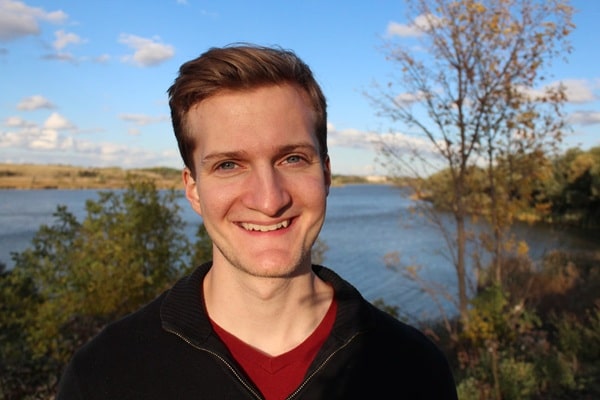
When conversations turn to privacy, security, and the future of cryptography, one name steadily gaining attention is Samuel Jaques. As an assistant professor at the University of Waterloo, he sits at a fascinating crossroads where mathematics, computer science, and quantum computing meet. His work isn’t just theoretical—it tackles real problems about how data can stay secure as technology evolves.
This deep dive walks you through who Samuel Jaques is, how he built his academic career, and why his research matters more than ever. Think of it as a friendly guide to understanding a complex field through the lens of someone helping shape its future.
Who Is Samuel Jaques? A Clear Introduction
Samuel Jaques is an assistant professor in the Department of Combinatorics and Optimization at the University of Waterloo, one of the most respected institutions for mathematics, cryptography, and computer science. His main focus lies in cryptography, with special attention on:
-
Privacy-preserving systems
-
Anonymity in digital credentials
-
Quantum computing and post-quantum security
-
Lattice-based cryptography
What sets him apart is how he blends classical cryptographic ideas with quantum-aware thinking, preparing digital security systems for challenges that are already on the horizon.
Early Interests That Sparked a Research Career
Long before his academic titles, Samuel Jaques showed a natural curiosity for problem-solving. Mathematics and computer science quickly became central interests, but what’s interesting is how broad his foundation was from the start.
Rather than following a narrow academic track, he explored multiple disciplines, developing the analytical flexibility that would later define his research approach. This curiosity-driven mindset helped him see connections across fields that many overlook.
Education Journey: Building a Strong Academic Foundation
Samuel Jaques’ academic path reflects both depth and range, each step strengthening his expertise in cryptography and computation.
Undergraduate Studies
-
Earned a Bachelor of Science from the University of Regina
-
Studied a mix of mathematics and biology, showcasing interdisciplinary thinking
-
Developed early skills in computation, logic, and mathematical modeling
Graduate Studies
-
Completed a Master of Mathematics (MMath) at the University of Waterloo
-
Specialized in cryptography and advanced mathematical concepts
-
Built a research-focused mindset that prepared him for doctoral work
Doctoral Research
-
Earned a PhD from the University of Oxford
-
Worked under leading researchers in cryptography and quantum computing
-
Conducted advanced research that positioned him as a serious contributor to the field
This progression didn’t just add degrees to his name—it shaped how he approaches complex security problems with precision and creativity.
Academic Career at the University of Waterloo
Samuel Jaques joined the University of Waterloo faculty in 2023, stepping into a role that allows him to teach, mentor, and push forward cutting-edge research.
At Waterloo, he works within a department known globally for its influence on cryptography and theoretical computer science. His role involves:
-
Teaching advanced topics in cryptography and optimization
-
Supervising graduate students
-
Publishing original research
-
Collaborating with international researchers
Waterloo’s strong research ecosystem provides the perfect environment for his work on privacy and quantum resistance to thrive.
Also Read : Lisa Mangan: The UK’s Leading Voice in Media Training
Research Focus: Where Classical Meets Quantum
Samuel Jaques’ research lives at an exciting intersection. He isn’t just preparing for quantum computers—he’s helping redesign cryptography with them in mind.
Quantum-Resistant Cryptography
Quantum computers threaten traditional encryption methods. Jaques focuses on building systems that can withstand these future attacks.
Lattice-Based Cryptography
This area is widely seen as a strong candidate for post-quantum security. His work explores how lattice-based systems can be made efficient, practical, and secure.
Privacy and Anonymity
Beyond encryption, Jaques studies digital credentials that allow people to prove identity or access without revealing unnecessary personal information.
Efficiency and Practical Use
Strong security means little if systems are too slow or expensive. His research also optimizes:
-
Memory usage
-
Computational costs
-
Real-world deployment feasibility
This balance between theory and practice is one of his greatest strengths.
Key Contributions to Cryptography and Quantum Computing
Samuel Jaques has authored and contributed to numerous research papers that explore how cryptographic systems should evolve. His work helps answer questions such as:
-
How should encryption change as quantum computing advances?
-
Which cryptographic assumptions remain safe long-term?
-
How can privacy be preserved without sacrificing usability?
By addressing these challenges, his research influences both academic theory and real-world system design.
Awards and Professional Recognition
While exact financial details aren’t public, Samuel Jaques’ professional recognition speaks volumes about his impact.
Notable Honors
-
Governor General’s Gold Medal
-
Clarendon Scholarship
These awards are given only to researchers who demonstrate exceptional academic excellence and research potential.
Combined with his faculty position at a top-tier university, they point to a career built on respect, rigor, and meaningful contribution.
Age, Family, and Personal Life
Samuel Jaques keeps his personal life intentionally private. Details such as his exact age or family background aren’t publicly shared, which is common among academics who prefer to let their work speak for itself.
This discretion aligns closely with his research interests in privacy and anonymity—values he appears to practice both professionally and personally.
Online Presence and Public Profiles
Although he does not currently have a dedicated Wikipedia page, Samuel Jaques maintains a strong presence across academic platforms, including:
-
University faculty pages
-
Research databases
-
Academic collaboration networks
These profiles showcase:
-
Published papers
-
Research interests
-
Ongoing projects
-
Professional collaborations
For those interested in his work, these sources provide reliable and up-to-date insights.
Why Samuel Jaques’ Work Matters
Digital security faces a major turning point as quantum technologies continue to develop. Without preparation, existing systems could become vulnerable faster than expected.
Samuel Jaques’ work helps ensure that:
-
Privacy remains achievable
-
Anonymity stays protected
-
Security systems adapt rather than collapse
His research contributes to long-term trust in digital communication, financial systems, and identity frameworks.
Future Outlook: What Comes Next
Looking ahead, Samuel Jaques is well-positioned to remain a key voice in cryptography and quantum-aware security. As quantum computing moves from theory to practice, his expertise will become even more valuable.
Expect his influence to grow through:
-
Continued research publications
-
Student mentorship
-
Cross-disciplinary collaborations
-
Contributions to global cybersecurity discussions
Final Thoughts: A Researcher Shaping What Comes Next
Samuel Jaques represents a new generation of cryptographers—researchers who understand both where digital security comes from and where it needs to go. By blending deep theoretical knowledge with practical design, he helps build systems meant to last.
While he keeps his personal life out of the spotlight, his professional work continues to shape conversations about privacy, anonymity, and secure communication. As technology evolves, researchers like Samuel Jaques play a crucial role in making sure security evolves with it—not after it’s too late.

